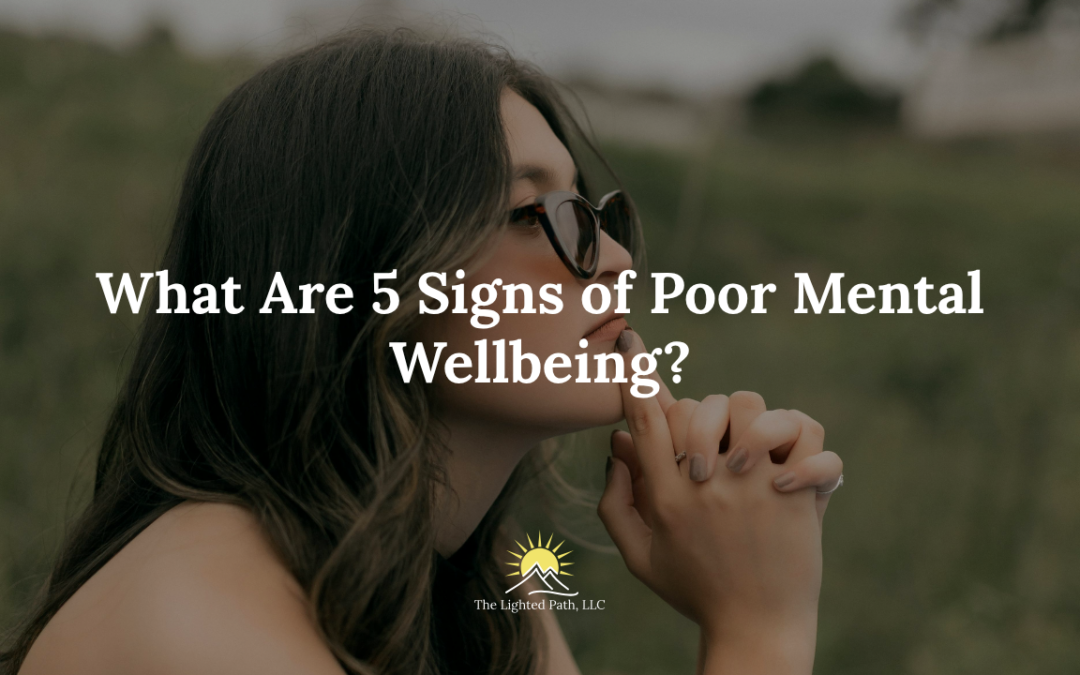
Mental wellbeing can change throughout different stages of life. Stress, major life changes, relationship difficulties, work pressures, grief, and other challenges can all affect how we feel and function. But how do you know when you're having a difficult time versus when your mental wellbeing may need additional attention?
Learning to recognize the signs of poor mental wellbeing can help you notice changes in yourself or someone you care about and determine when additional support may be helpful. Here are five common signs that your mental wellbeing may need some attention.
1. You Feel Overwhelmed or Emotionally Drained
Everyone experiences stress from time to time. However, feeling consistently overwhelmed, emotionally exhausted, or unable to manage everyday responsibilities may be a sign that you're struggling. You might notice that even small tasks feel difficult or that you have little emotional energy left at the end of the day.
You may also experience:
- Feeling constantly stressed or on edge
- Becoming easily frustrated or irritated
- Feeling emotionally exhausted
- Having difficulty relaxing
- Feeling like everything is “too much”
- Struggling to keep up with normal responsibilities
These experiences don't necessarily mean that you have a mental health disorder. They may be signs that you have been carrying more stress than you can comfortably manage.
2. Your Sleep or Daily Routine Has Changed
Changes in sleep can sometimes be connected to changes in mental wellbeing. You might find yourself having difficulty falling asleep, waking frequently during the night, or sleeping much more than usual. You may also notice changes in your normal daily routine.
For example, you might:
- Have trouble getting out of bed
- Sleep significantly more or less than usual
- Have difficulty maintaining a regular routine
- Stop doing activities you normally enjoy
- Have trouble concentrating during the day
Sleep and mental wellbeing can influence one another. If changes in your sleep or routine continue and begin interfering with your daily life, it may be worth talking with a healthcare or mental health professional.
3. You Are Losing Interest in Things You Usually Enjoy
One possible sign that your mental wellbeing is struggling is losing interest in activities, hobbies, or social interactions that you typically enjoy. Maybe you used to look forward to seeing friends but now regularly cancel plans. Maybe activities that once helped you relax no longer feel enjoyable. You might notice thoughts such as:
“I just don't feel like doing anything anymore.”
Occasional changes in interest are normal. However, persistent loss of interest, especially when combined with other changes in mood, sleep, energy, or daily functioning, can be a reason to seek additional support.
4. You Are Withdrawing From Other People
When life feels overwhelming, it's common to want some time alone. Taking time for yourself isn't necessarily a sign of poor mental wellbeing. However, consistently withdrawing from friends, family, coworkers, or other sources of support may indicate that you're struggling.
You may notice that you're:
- Avoiding social activities
- Not responding to messages
- Spending significantly more time alone
- Pulling away from people you normally trust
- Finding it difficult to talk about how you're feeling
Social connection can be an important part of emotional wellbeing. If you notice yourself becoming increasingly isolated, consider reaching out to someone you trust or talking with a mental health professional.
5. You Are Having Difficulty Coping With Everyday Life
Perhaps one of the most important signs of poor mental wellbeing is when your emotional or mental health begins interfering with your ability to function. You may have difficulty managing:
- Work or school responsibilities
- Relationships
- Household tasks
- Personal care
- Concentration and decision-making
- Everyday stress
You don't have to wait until you're completely overwhelmed before asking for help. Sometimes, reaching out for support early can give you an opportunity to understand what's contributing to your difficulties and develop strategies for coping.
When Should You Seek Help for Your Mental Health?
You don't need to have a specific diagnosis or know exactly what's wrong before talking with a therapist. Consider reaching out for professional support if changes in your mood, thoughts, behavior, sleep, relationships, or daily functioning are persistent, getting worse, or making it difficult to manage your everyday life. A therapist can help you explore what you're experiencing and determine what type of support may be appropriate for your situation.
Therapy can also be useful even when you aren't experiencing a mental health disorder. People seek counseling for many reasons, including stress, life transitions, relationship concerns, grief, anxiety, depression, trauma, and personal growth.
Your Mental Wellbeing Matters
Having a difficult time doesn't mean you're failing. Mental wellbeing can change, and struggling doesn't mean you have to handle everything on your own. Paying attention to changes in your thoughts, emotions, behaviors, relationships, and daily routine can be an important first step.
If you've noticed several of these signs in yourself, consider talking with someone you trust or reaching out to a mental health professional. You don't have to know exactly what kind of therapy you need before making that first call. The first step can simply be saying, “I'm having a difficult time, and I'd like some support.”
Frequently Asked Questions About Mental Wellbeing
What are the signs of poor mental wellbeing?
Common signs can include feeling consistently overwhelmed, changes in sleep or daily routines, losing interest in activities you normally enjoy, withdrawing from others, and having difficulty managing everyday responsibilities.
What causes poor mental wellbeing?
Mental wellbeing can be affected by many different factors, including ongoing stress, major life changes, grief, relationship difficulties, work or school pressures, trauma, physical health concerns, and other life circumstances.
How can I improve my mental wellbeing?
Helpful strategies may include getting adequate sleep, maintaining social connections, engaging in regular physical activity, practicing stress-management techniques, spending time doing meaningful activities, and seeking professional support when needed.
When should I talk to a therapist?
Consider talking with a therapist when emotional or mental health concerns persist, interfere with your daily life, affect your relationships, or become difficult to manage on your own. You don't need to know your diagnosis or which type of therapy you need before reaching out.
Can therapy help improve mental wellbeing?
Therapy can provide a supportive environment where you can explore your thoughts, emotions, behaviors, relationships, and life experiences. Depending on your individual needs, a therapist can also help you develop coping strategies and work toward specific goals.
A Note About Mental Health Support
This article is intended for general educational purposes and is not a substitute for professional mental health or medical advice. If you're experiencing significant or worsening mental health concerns, consider speaking with a qualified healthcare or mental health professional.
If you are experiencing a mental health emergency or believe you may be in immediate danger, contact emergency services or a crisis resource in your area.
Cognitive Behavioral Therapy (CBT): How It Can Help With Anxiety, Depression & More
Sometimes, the way we think about a situation can affect how we feel and what we do next. You might find yourself thinking: “Something is going to go wrong.” “I should be able to handle this.” “I'm...

Veteran Support Groups: Why Connection Matters During and After Military Service
Military service can shape nearly every part of a person's life, from daily routines and relationships to identity, purpose, and a sense of belonging. For some veterans and active-duty service...

7 Calming Phrases to Help Your Child Through a Tantrum
When Your Child Is Having a Tantrum, Your Words Matter Few things can test a parent's patience like a child having a full-blown tantrum. Maybe your child is crying because you said no to something...

Healing from trauma
Healing Can Feel Uncomfortable When Chaos Once Felt Normal Sometimes peace feels unfamiliar when your nervous system has spent years preparing for the next problem. Healing is often portrayed as...

12 Therapist-Recommended, Evidence-Based Mental Wellness Activities to Support Your Mental and Physical Wellness
12 Therapist-Recommended, Evidence-Based Mental Wellness Activities to Support Your Mental and Physical Wellness Taking care of your mental health does not only happen inside a therapist's office....

What Is Trauma Therapy? A Guide to Healing From Trauma
Experiencing trauma can affect much more than how you feel in the moment. For some people, the effects of trauma can continue long after the event has passed, influencing relationships, emotions,...
Anxiety therapy activities
Anxiety Therapy Activities to Help You Feel More Calm and In Control Anxiety can feel overwhelming. Racing thoughts, constant worry, difficulty relaxing, and feeling like you are always...

How to Find a Therapist That Accepts Medicaid
Finding quality mental health care shouldn't be stressful, especially when you're already dealing with anxiety, depression, trauma, or another life challenge. If you're wondering how to find a...

Are There Online Platforms Offering Anxiety Counseling Services?
The short answer is yes, there are many online platforms offering anxiety counseling services. But with so many therapists and online therapy options available, it can be difficult to know where to...
Parenting Tips for Kids with ADHD: Practical Strategies That Help Children Thrive
is article is intended for educational purposes and is based on guidance from reputable organizations, including the American Academy of Pediatrics (AAP), the Centers for Disease Control and...