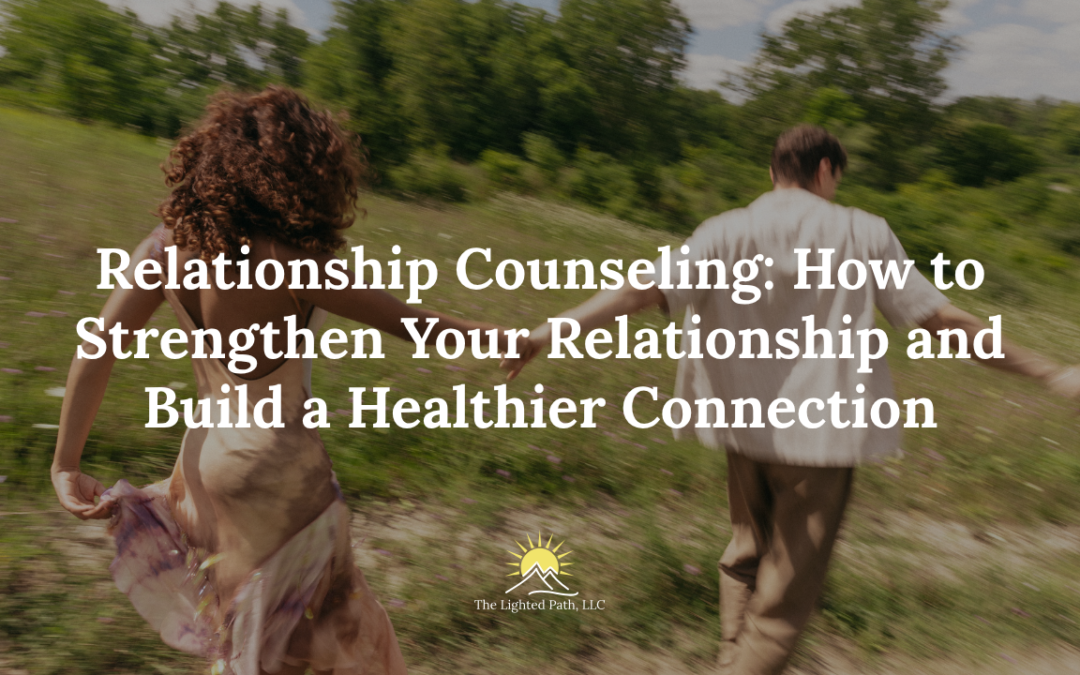
Every relationship experiences challenges. Whether you are navigating communication difficulties, recurring disagreements, trust concerns, or changes in your lives, maintaining a healthy relationship takes time, effort, and understanding. Sometimes, couples find themselves having the same arguments without reaching a solution. Other times, emotional distance gradually develops, making it difficult to feel connected to the person who once felt like your closest companion.
Relationship counseling can help couples better understand one another, improve communication, and develop healthier ways to navigate challenges together. Seeking support does not mean your relationship has failed. It can be a proactive step toward building a stronger, more fulfilling connection. If you and your partner have been struggling, understanding how relationship counseling works may help you decide whether it is the right next step.
What Is Relationship Counseling?
Relationship counseling is a form of professional counseling that helps individuals and couples understand relationship patterns, address challenges, and develop healthier ways of interacting. While many people associate counseling with relationships in crisis, couples do not need to reach a breaking point before seeking support. Counseling can be beneficial for couples who want to strengthen an already healthy relationship, prepare for a major life change, or work through ongoing concerns.
During relationship counseling, a therapist may help partners:
- Improve communication and listening skills.
- Identify recurring disagreements and understand their underlying causes.
- Express feelings and needs more effectively.
- Rebuild trust after experiencing relationship difficulties.
- Develop healthier conflict-resolution strategies.
- Navigate life transitions and changes in expectations.
- Strengthen emotional intimacy and connection.
Every relationship is different. Counseling provides an opportunity to explore your unique experiences and work toward goals that reflect your individual needs and shared priorities.
7 Signs You May Benefit From Relationship Counseling
You do not have to wait until your relationship is in serious trouble to seek help. Recognizing challenges early can create opportunities for meaningful change.
- You Keep Having the Same Arguments
Do you and your partner repeatedly argue about the same issues without finding a lasting solution?
Recurring disagreements may be connected to unmet needs, different expectations, communication habits, or unresolved feelings. Over time, these patterns can create frustration and resentment.
Relationship counseling can help couples recognize what happens during these disagreements and practice new ways of approaching difficult conversations.
- Communication Has Become Difficult
Healthy communication involves more than talking. It also requires listening, expressing emotions, asking questions, and making an effort to understand another person's perspective.
You may notice that conversations quickly turn into arguments, one or both partners withdraw, or important concerns go unaddressed because discussing them feels uncomfortable.
A relationship counselor can help you identify communication patterns and develop strategies for discussing sensitive topics with greater understanding and respect.
- You Feel Emotionally Disconnected
Emotional distance can develop gradually. Busy schedules, parenting responsibilities, work-related stress, and unresolved disagreements can leave couples feeling more like roommates than romantic partners.
You may spend time together but struggle to feel understood, supported, or emotionally close.
Counseling can provide space to explore these feelings, identify barriers to connection, and find meaningful ways to reconnect.
- Trust Has Been Damaged
Trust is an important part of a healthy relationship. When trust is damaged by dishonesty, broken commitments, infidelity, or other painful experiences, rebuilding it can take time.
Both partners may experience difficult emotions, uncertainty, or concerns about the future of the relationship.
With appropriate support, couples can explore what happened, communicate their needs, establish boundaries, and determine what rebuilding trust might look like for them.
Rebuilding trust is not immediate, and counseling cannot guarantee a particular outcome. However, it can help couples better understand their options and work through the challenges involved.
- You Struggle to Resolve Conflict
Disagreements are a normal part of relationships. The way couples handle those disagreements often matters more than whether they disagree in the first place.
Conflict can become especially difficult when conversations involve criticism, defensiveness, shutting down, or feeling that one person must win for the other to lose.
Relationship counseling can help couples practice approaching disagreements as a shared problem rather than a competition. Learning to pause, listen, communicate boundaries, and seek compromise can make difficult conversations more productive.
- You Are Navigating a Major Life Transition
Relationships change as life circumstances change. Moving, getting married, becoming parents, changing careers, experiencing grief, or caring for family members can introduce new responsibilities and expectations.
Even positive changes can create stress.
Counseling can help couples discuss these transitions, clarify their expectations, and work together to navigate new challenges while maintaining their connection.
- You Want to Strengthen an Already Healthy Relationship
Relationship counseling is not only for couples experiencing serious problems.
Some partners seek counseling because they want to communicate more effectively, deepen emotional intimacy, prepare for marriage, or develop strategies for handling future challenges.
Learning about each other's needs and expectations can help couples build a stronger foundation for the future.
What Are the Benefits of Relationship Counseling?
The benefits of counseling depend on your circumstances, goals, and willingness to participate in the process. However, couples may find several areas of their relationship improve as they develop new skills and understanding.
Better communication: Learn how to express concerns, listen actively, and discuss difficult subjects more constructively.
Greater emotional understanding: Explore how personal experiences, expectations, and emotional needs influence relationship dynamics.
Healthier conflict resolution: Develop practical strategies for addressing disagreements without allowing every conflict to become a larger issue.
Improved connection: Identify ways to strengthen emotional intimacy, create meaningful time together, and communicate appreciation.
Clearer boundaries and expectations: Discuss responsibilities, personal needs, and shared goals with greater clarity.
Support during difficult decisions: Explore relationship concerns and consider possible next steps with the guidance of a trained professional.
Progress may take time, and counseling is not a guarantee that every relationship will continue. It can, however, offer a supportive setting for understanding your relationship and making more informed decisions about its future.
What Happens During Relationship Counseling?
If you have never attended relationship counseling, it is understandable to feel uncertain about what to expect. Although every therapist has a different approach, the process often begins with a conversation about your relationship history, current concerns, and goals for counseling.
Understanding Your Relationship
Your therapist may ask about your communication styles, recurring disagreements, strengths, and concerns. This helps establish a clearer picture of your relationship and the patterns you would like to change.
Identifying Goals
You and your partner may work together to identify specific goals. These could include communicating without escalating arguments, rebuilding trust, improving emotional connection, or navigating a major life transition.
Practicing New Skills
Depending on your needs, counseling may involve practicing communication techniques, identifying emotional triggers, exploring expectations, and developing strategies for managing disagreements.
Your therapist may also suggest activities or conversations to practice between sessions.
Evaluating Progress
Over time, you and your therapist can discuss what is improving, what remains challenging, and whether your goals need to change.
Relationship counseling is a process. Building new habits and changing long-standing patterns often requires patience, consistent effort, and a willingness to learn.
Is Relationship Counseling Worth It?
Many couples wonder whether counseling will make a difference, especially if they have been struggling for months or years.
Counseling may be helpful when partners are willing to examine their own behaviors, communicate honestly, and work toward meaningful changes. It can also help couples understand their differences and make decisions about the relationship with greater clarity.
However, outcomes vary. One partner cannot control the other person's willingness to participate, and counseling does not guarantee reconciliation or a particular result.
The decision to seek support is personal. If relationship challenges are affecting your emotional well-being, communication, or sense of connection, speaking with a qualified professional may help you understand your options.
How to Find a Relationship Counselor near you
Finding the right therapist is an important part of the counseling process. You want someone whose approach, experience, and communication style feel appropriate for your needs.
When looking for relationship counseling, consider the following:
- Professional qualifications: Look for a qualified mental health professional with relevant training and experience.
- Counseling approach: Ask about the therapist's approach to communication difficulties, conflict, trust concerns, and other issues affecting your relationship.
- Comfort and connection: Both partners should have an opportunity to discuss their concerns and ask questions about the counseling process.
- Scheduling and accessibility: Consider whether in-person or virtual counseling best fits your location, schedule, and preferences.
- Insurance and cost: Ask about accepted insurance plans, coverage requirements, and any out-of-pocket expenses before beginning services.
Taking time to find a therapist who fits your needs can help you feel more comfortable beginning the process.
Take the First Step Toward a Healthier Relationship
Every relationship has its own history, strengths, and challenges. When communication becomes difficult or emotional distance begins to grow, it can be hard to know how to move forward. You do not have to navigate every challenge without support. Relationship counseling can offer an opportunity to understand each other more deeply, develop healthier communication habits, and explore ways to strengthen your connection.
At The Lighted Path LLC, we believe that taking the first step toward support can be an important part of personal growth and healthier relationships. If you are experiencing relationship challenges or want to learn more about your counseling options, we encourage you to reach out.
Ready to explore your options? Visit The Lighted Path LLC to learn more about our services and contact our team with questions about counseling availability, insurance, and scheduling. You deserve support as you work toward a healthier path forward.
The Most Common Phobias: Types, Symptoms, and Treatment Options
Have you ever felt your heart race at the sight of a spider, experienced intense anxiety when...
Why Am I So Tired All the Time? The Connection Between Stress, Anxiety & Mental Health
Fatigue can be connected to many different things, including: Not getting enough quality sleep...
What Are 5 Signs of Poor Mental Wellbeing?
facebook instagram linkedin pinterest tiktok youtube Mental wellbeing can change throughout...
Cognitive Behavioral Therapy (CBT): How It Can Help With Anxiety, Depression & More
Sometimes, the way we think about a situation can affect how we feel and what we do next. You...
Veteran Support Groups: Why Connection Matters During and After Military Service
Military service can shape nearly every part of a person's life, from daily routines and...
7 Calming Phrases to Help Your Child Through a Tantrum
When Your Child Is Having a Tantrum, Your Words Matter Few things can test a parent's patience...
Healing from trauma
Healing Can Feel Uncomfortable When Chaos Once Felt Normal Sometimes peace feels unfamiliar when...
12 Therapist-Recommended, Evidence-Based Mental Wellness Activities to Support Your Mental and Physical Wellness
12 Therapist-Recommended, Evidence-Based Mental Wellness Activities to Support Your Mental and...
What Is Trauma Therapy? A Guide to Healing From Trauma
Experiencing trauma can affect much more than how you feel in the moment. For some people, the...
Anxiety therapy activities
Anxiety Therapy Activities to Help You Feel More Calm and In Control Anxiety can feel...