The holiday season is often described as the most wonderful time of the year. Between decorating, shopping, family gatherings, celebrations, and special traditions, there is plenty to look forward to. But for many people, the holidays can also bring increased stress, anxiety, emotional exhaustion, and even feelings of loneliness.
While this time of year can be filled with joy, it can also come with expectations that feel difficult to manage. Financial pressures, complicated family relationships, grief, busy schedules, and the desire to make everything perfect can take a toll on your mental health.
At The Lighted Path LLC, we believe that taking care of your mental well-being should never take a backseat, even during the busiest seasons of life.
Whether you are navigating holiday anxiety, managing family stress, or simply trying to find a little more balance, this guide offers practical ways to protect your mental health and make the holiday season feel more manageable.
1. Set Realistic Expectations for the Holidays
One of the biggest sources of holiday stress is the pressure to make everything perfect.
From beautifully decorated homes to elaborate meals and thoughtful gifts, it can feel like there is an expectation to create a picture-perfect holiday experience. Social media can make these expectations even more difficult by showing us carefully curated versions of other people's celebrations.
The truth is that meaningful holidays do not require perfection.
Instead of trying to do everything, focus on what is genuinely important to you. You might decide to simplify your holiday decorations, prepare an easier meal, or spend more time enjoying the people around you rather than worrying about every detail.
A helpful reminder: You do not have to create a perfect holiday to have a meaningful one.
2. Learn to Set Healthy Boundaries With Family and Friends
Family gatherings and social events can be enjoyable, but they can also bring emotional challenges.
Perhaps you have complicated family relationships, feel pressure to attend every gathering, or find certain conversations uncomfortable. Whatever the situation may be, it is important to recognize that you are allowed to establish boundaries.
Healthy boundaries help protect your emotional well-being while allowing you to participate in relationships in ways that feel comfortable.
Consider these simple boundary-setting strategies:
- Give yourself permission to decline invitations.
- Decide ahead of time how long you want to stay at gatherings.
- Avoid conversations that consistently cause emotional distress.
- Communicate your needs respectfully and clearly.
- Take breaks when you begin feeling overwhelmed.
Remember, setting boundaries does not mean you do not care about others. It means you are recognizing your own needs, too.
3. Make Time for Yourself (Even When Life Gets Busy)
During the holidays, it is easy to spend so much time taking care of everyone else that you forget to take care of yourself.
Between work, family responsibilities, shopping, and social commitments, personal time can quickly disappear.
Making time for yourself does not have to involve an elaborate self-care routine. Small, intentional moments throughout the day can make a difference.
Try incorporating a few of these activities into your routine:
- Take a short walk outside.
- Spend five minutes journaling.
- Enjoy your morning coffee without distractions.
- Practice deep breathing or mindfulness.
- Read a book or listen to music.
- Give yourself permission to rest without feeling guilty.
Self-care is not selfish. It is an important part of maintaining your mental and emotional well-being.
4. Create a Holiday Budget to Reduce Financial Stress
Financial pressure is another common contributor to holiday anxiety.
Gift shopping, travel expenses, holiday meals, and social activities can add up quickly. When financial expectations become overwhelming, the holiday season can begin to feel more stressful than enjoyable.
One way to reduce financial anxiety is to create a realistic holiday budget before spending begins.
Consider:
- Setting a spending limit for gifts.
- Choosing thoughtful gifts rather than expensive ones.
- Planning meals and shopping lists ahead of time.
- Looking for free or low-cost holiday activities.
- Communicating financial boundaries with family and friends.
Remember that your relationships are not measured by how much money you spend. Meaningful connections often come from time, thoughtfulness, and shared experiences.
5. Acknowledge Grief, Loneliness, and Difficult Emotions
For some people, the holidays are a reminder of someone who is no longer here, relationships that have changed, or traditions that are no longer possible.
Grief can feel especially noticeable during holidays, anniversaries, and family gatherings. Even when surrounded by other people, you may experience loneliness or sadness.
If you are navigating grief during the holidays, allow yourself room to experience those emotions without judgment.
You might find comfort in:
- Creating a new tradition in memory of someone you love.
- Sharing stories and memories with supportive people.
- Giving yourself permission to step away from celebrations.
- Finding a way to honor someone who is no longer physically present.
- Reaching out to someone you trust when you need support.
You do not have to force happiness simply because it is the holiday season. There is room for both joy and sadness.
6. Have a Plan for Moments of Holiday Anxiety
When schedules become busy and emotions run high, anxiety can sometimes feel difficult to manage.
Having a few coping strategies ready can help you feel more prepared when stress begins to build.
Here is a simple grounding exercise you can try:
The 5-4-3-2-1 Grounding Technique
When you feel overwhelmed, pause and identify:
- 5 things you can see.
- 4 things you can physically feel.
- 3 things you can hear.
- 2 things you can smell.
- 1 thing you can taste.
This exercise helps bring your attention back to your immediate surroundings rather than becoming consumed by anxious thoughts.
You can also try slowing your breathing, stepping outside for fresh air, or taking a few minutes away from a stressful environment.
Remember, you do not have to solve everything in one moment. Focus on what you can manage right now.
7. Stay Connected With People Who Support You
The holiday season can sometimes make people feel isolated, particularly when navigating difficult relationships, grief, or changes in their personal lives.
Making an effort to stay connected with supportive people can help reduce feelings of loneliness.
Consider reaching out to a trusted friend, scheduling time with someone you enjoy being around, or participating in activities that help you feel connected to your community.
Connection does not always have to mean attending a large gathering. Sometimes a phone call, a quiet conversation, or spending time with one person you trust is enough.
If you are struggling, remember that asking for help is a sign of strength, not weakness.
8. Know When It May Be Time to Seek Professional Support
Sometimes holiday stress goes beyond the occasional feeling of being overwhelmed.
If anxiety, sadness, irritability, or emotional exhaustion begin interfering with your daily life, relationships, sleep, or ability to function, it may be helpful to speak with a mental health professional.
Therapy can provide a supportive space to explore difficult emotions, recognize patterns, develop healthy coping strategies, and work through challenges.
You do not have to wait until you reach a breaking point to seek support. Counseling can be beneficial even when you simply want to better understand yourself and develop healthier ways to navigate life's challenges.
Give Yourself Permission to Have an Imperfect Holiday
The holidays do not have to be perfect to be meaningful.
You are allowed to slow down, change traditions, say no, experience difficult emotions, and prioritize your mental health. You do not have to meet every expectation or make everyone else happy.
This season, try focusing less on what you think the holidays should look like and more on what helps you feel supported, connected, and at peace.
And remember, you do not have to navigate life's challenges alone.
Looking for Mental Health Support This Holiday Season?
At The Lighted Path LLC, we believe everyone deserves a supportive space to work through life's challenges. Our compassionate therapists provide counseling for individuals navigating anxiety, depression, trauma, grief, relationship difficulties, life transitions, and more.
We offer in-person counseling in Albuquerque and Edgewood, New Mexico, as well as virtual therapy for eligible residents throughout New Mexico. Whether you are looking for help managing holiday anxiety or want ongoing support for your mental health, we are here to help you take the next step.
You deserve support, not just during the holidays, but throughout the year.
Visit The Lighted Path LLC to learn more about our counseling services and take the first step toward feeling better.
Personal Growth and Mental Wellness
Have you ever looked around and felt like everyone else has life figured out? Maybe someone is starting a new career, buying a house, reaching a personal goal, or checking off milestones you haven't...
7 Signs You May Need Therapy (And Why It’s Okay to Ask for Help)
Have you ever caught yourself thinking, "Other people have it worse," or "I'm probably just going through a stressful time"? Maybe you've been feeling more anxious than usual, struggling to keep up...
Christian Counseling: Finding Healing Through Faith, Understanding, and Professional Support
What Is Christian Counseling? Life can bring challenges that affect our emotional, mental, and spiritual well-being. Whether you're experiencing anxiety, depression, relationship difficulties,...
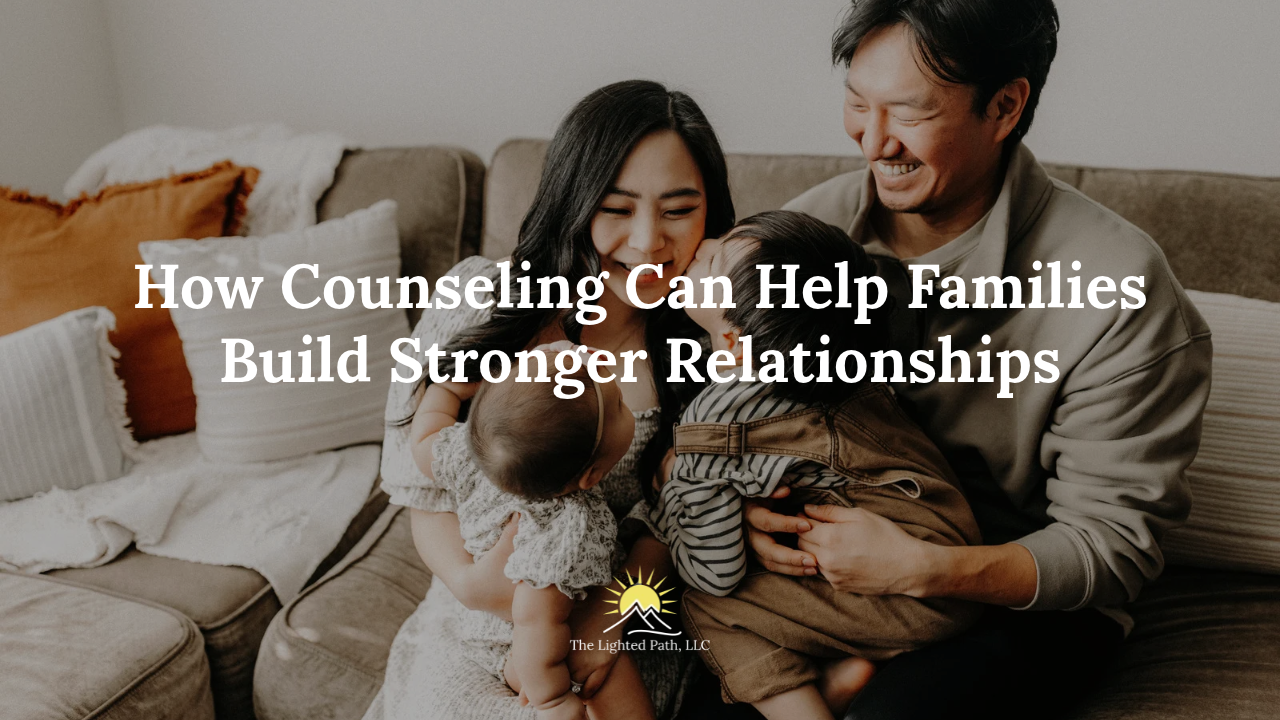
Family Therapy: How Counseling Can Help Families Build Stronger Relationships
Every family experiences challenges. Whether you're navigating communication difficulties, parenting stress, relationship conflicts, or a major life transition, it can sometimes feel difficult to...
Relationship Counseling: Signs You May Need Support
Every relationship experiences challenges. Whether you are navigating communication difficulties, recurring disagreements, trust concerns, or changes in your lives, maintaining a healthy...
The Most Common Phobias: Types, Symptoms, and Treatment Options
Have you ever felt your heart race at the sight of a spider, experienced intense anxiety when standing somewhere high, or felt overwhelmed at the thought of boarding an airplane? Fear is a natural...
Why Am I So Tired All the Time? The Connection Between Stress, Anxiety & Mental Health
Fatigue can be connected to many different things, including: Not getting enough quality sleep Ongoing stress Anxiety or excessive worry Depression Major life changes Emotional exhaustion Chronic...
What Are 5 Signs of Poor Mental Wellbeing?
facebook instagram linkedin pinterest tiktok youtube Mental wellbeing can change throughout different stages of life. Stress, major life changes, relationship difficulties, work pressures, grief,...
Cognitive Behavioral Therapy (CBT): How It Can Help With Anxiety, Depression & More
Sometimes, the way we think about a situation can affect how we feel and what we do next. You might find yourself thinking: “Something is going to go wrong.” “I should be able to handle this.” “I'm...
Veteran Support Groups: Why Connection Matters During and After Military Service
Military service can shape nearly every part of a person's life, from daily routines and relationships to identity, purpose, and a sense of belonging. For some veterans and active-duty service...